
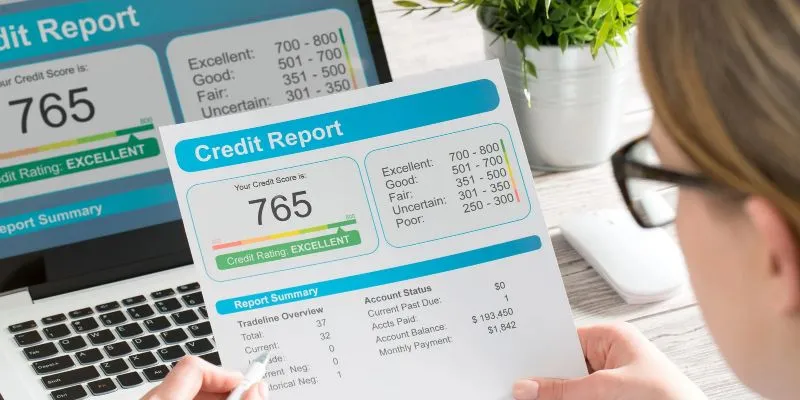
Credit Score Improvement: 7 Tips to Build Better Credit
A strong credit profile can open doors to better financial opportunities. Whether you are planning to apply for a mortgage, finance a vehicle, qualify for a credit card, or simply gain greater control over your finances, understanding your Credit Score is an important step toward achieving your goals.
However, building better credit does not happen overnight. Missed payments, high credit card balances, inaccurate information on credit reports, and frequent credit applications can make it harder to qualify for favorable lending terms. The good news is that consistent financial habits can help you work toward a healthier credit profile.
At Decs – We Kill Debt, we believe that understanding your financial situation is an important part of taking control of your debt. Learning how credit scoring works, identifying potential problems, and developing a realistic repayment strategy can help you make more informed financial decisions.
In this guide, we will explain how credit scores work, explore practical credit score improvement strategies, and discuss what to consider when searching for the best credit repair solutions.
What Is a Credit Score and Why Does It Matter?
A credit score is a numerical representation of information in your credit history. Lenders use credit scores, alongside other financial details, to help evaluate the risk of lending money to a borrower.
In the United States, many commonly used FICO and VantageScore credit scoring models use a range of 300 to 850. A higher score generally indicates a stronger credit history, although lenders use different criteria when evaluating applications.
Your credit score can influence several financial decisions, including:
Loan approvals: Lenders may use your credit history and score when reviewing applications.
Interest rates: A stronger credit profile may help you qualify for lower borrowing costs.
Credit card eligibility: Your score can affect which credit cards you may qualify for.
Housing applications: Some landlords consider credit information when evaluating prospective tenants.
Financial flexibility: Healthy credit habits can give you more options when borrowing is necessary.
Your credit score is not a measure of your personal worth or your entire financial situation. It is one factor that businesses may consider when making financial decisions.
Understanding your current position is the first step toward meaningful credit score improvement.
1. Review Your Credit Reports Regularly
Before deciding how to improve your credit, understand what information lenders may see when they review your credit history.
Credit reporting companies collect information about your accounts, payment history, balances, and other credit-related activities. Errors in these reports can sometimes make your credit profile appear less favorable than it should.
When reviewing your credit reports, look for:
Accounts you do not recognize.
Payments incorrectly reported as late.
Incorrect account balances or credit limits.
Closed accounts incorrectly listed as open.
Duplicate debt entries.
Incorrect personal information.
Accounts potentially associated with identity theft.
If you discover inaccurate information, dispute it with the relevant credit reporting company and contact the business that supplied the information when appropriate. Include supporting documents, such as payment confirmations, account statements, or correspondence.
Remember that accurate negative information generally cannot be removed simply because it affects your score. Legitimate information should not be disputed without a valid reason.
In the United States, consumers can obtain credit reports through AnnualCreditReport.com. Reviewing these reports can help you identify problems and understand which areas deserve attention.
Regular monitoring also makes it easier to recognize changes in your credit profile and respond when something appears incorrect.
2. Make Every Payment on Time
Payment history is one of the most important factors in many credit scoring models. Consistently paying your obligations on time can help establish a positive track record, while missed payments can damage your credit profile.
If you are working toward better credit, prioritize payments on accounts such as credit cards, personal loans, auto loans, and mortgages.
Consider these practical strategies:
Set up payment reminders. Use your phone calendar, banking application, or budgeting tool to receive alerts before bills are due.
Use automatic payments carefully. Automatic payments can help prevent missed due dates, but make sure sufficient funds are available in your account.
Create a monthly payment calendar. List every account, minimum payment, due date, and outstanding balance in one place.
Address overdue accounts promptly. If you have missed a payment, contact the creditor to understand your options and bring the account current when possible.
Contact creditors when you anticipate difficulty. If you cannot afford an upcoming payment, ask whether a hardship arrangement or alternative payment schedule is available.
If your credit history already includes late payments, improvement may take time. Recent payment behavior, the severity of past delinquencies, and the scoring model used can all influence the outcome.
The key is to establish a sustainable pattern of responsible payments rather than searching for an instant fix.
3. Lower Your Credit Card Balances
Credit utilization is another important consideration in credit score improvement. It measures how much of your available revolving credit you are using.
For example, suppose your total credit card limit is $10,000 and your reported balances add up to $4,000. Your overall utilization ratio is 40%.
A lower ratio is generally preferable. Many credit experts recommend keeping utilization below 30%, and lower utilization may be beneficial for some scoring models.
Here are a few ways to manage your balances:
Pay more than the minimum when your budget allows.
Direct extra payments toward high-interest debt while maintaining required payments on other accounts.
Avoid making unnecessary purchases on cards with high balances.
Review your statements to identify recurring charges you no longer need.
Consider making an additional payment before your statement closing date if your goal is to reduce the balance reported to credit bureaus.
You do not need to carry a credit card balance or pay interest to build credit. Paying your statement balance in full when possible can help you avoid interest charges while maintaining responsible credit habits.
Also, be cautious about closing credit cards without considering the consequences. Closing an account can reduce your available credit and potentially increase your utilization ratio.
The right approach is to reduce debt at a pace that fits your financial circumstances without taking on new borrowing unnecessarily.
4. Avoid Applying for Too Much New Credit
Opening a new credit account may seem like a convenient way to increase available credit, but frequent applications can create challenges.
When you apply for credit, a lender may conduct a hard inquiry. Depending on the scoring model and your overall credit history, this inquiry may temporarily affect your score.
Several applications within a short period may also suggest increased borrowing activity.
Before submitting a credit application, ask yourself:
Do I genuinely need this account?
Can I comfortably manage the payments?
Have I compared fees, interest rates, and repayment terms?
Will this application support my financial goals?
Am I applying because of a planned purchase or simply to access more credit?
Avoid opening multiple accounts solely to improve your score. A new account can change several aspects of your credit profile, and the effect may not be immediately positive.
If you are rebuilding credit, focus on managing your existing accounts responsibly before considering additional borrowing.
A thoughtful approach to applications can help protect your progress and reduce the risk of accumulating debt you cannot comfortably repay.
5. Maintain a Longer, Healthy Credit History
The length of your credit history can influence certain credit scoring models. In general, a longer record of responsible account management gives lenders and scoring systems more information about how you handle credit.
If you already have credit cards or loans with positive payment histories, think carefully before closing older accounts.
Closing an account does not necessarily erase its history immediately, but it may affect factors such as available credit. The impact depends on the scoring model and the details of your credit profile.
If you are new to credit, consider options that may help you establish a track record, such as a secured credit card or a credit-builder loan from a reputable financial institution.
Before using these products, review the following:
Required deposits or upfront costs.
Interest rates and fees.
Payment obligations.
Whether account activity is reported to the major credit bureaus.
Whether the product fits your budget.
You should not borrow money solely to build credit if the payments would create financial strain.
A healthy credit history develops through repeated responsible decisions over time. Keeping accounts manageable and paying them as agreed is generally more useful than frequently opening and closing accounts.
6. Build a Realistic Debt Repayment Plan
High debt balances can make it difficult to maintain financial stability. When a large portion of your income goes toward minimum payments and interest, you may have less money available for savings, essential expenses, and unexpected costs.
A structured debt repayment plan can help you organize your obligations and work toward reducing what you owe.
Start by listing each debt, including:
Current outstanding balance.
Interest rate.
Minimum monthly payment.
Payment due date.
Whether the account is current or overdue.
Next, compare your total monthly income with essential expenses and debt payments. Determine how much additional money you can reasonably direct toward debt without neglecting housing, food, utilities, transportation, or emergency needs.
Two common repayment approaches are the debt avalanche and debt snowball methods.
The debt avalanche method
With this approach, you make the required payments on all debts and direct extra money toward the account with the highest interest rate. Once that balance is paid off, you move to the next-highest interest rate.
This strategy can reduce the total interest paid when followed consistently.
The debt snowball method
With this approach, you make the required payments on all debts and direct extra money toward the smallest balance first. Paying off an account can provide a sense of progress and motivation to continue.
Both approaches can be useful. The best choice depends on your financial circumstances, motivation, interest rates, and ability to maintain payments.
If you are struggling to meet minimum payments, contact your creditors to discuss available hardship options. You may also consider speaking with a reputable nonprofit credit counselor or qualified financial professional.
Debt settlement and other debt relief arrangements can have costs, risks, and potential credit consequences. Understand the terms before agreeing to any program.
At Decs – We Kill Debt, the goal is to help readers recognize that debt management and credit improvement are connected parts of a broader financial strategy.
7. Be Careful When Choosing the Best Credit Repair Option
Searching for the best credit repair service can be confusing, especially when advertisements promise quick score increases or the removal of negative information.
A reputable provider should explain what it can and cannot do, describe its fees clearly, and avoid promising a particular credit score or guaranteed results.
Before working with a credit repair company, consider the following:
Transparency: Does the company clearly explain its services, pricing, and cancellation terms?
Realistic expectations: Does it acknowledge that accurate, verifiable negative information generally cannot be removed just because it is unfavorable?
Dispute practices: Does it focus on reviewing and challenging information that may be inaccurate, incomplete, or unverifiable rather than encouraging false disputes?
Consumer rights: Does the company explain your right to review your credit reports and dispute errors yourself?
No unrealistic guarantees: Does it avoid claims that your credit will increase by a specific number of points within a guaranteed timeframe?
In the United States, the Credit Repair Organizations Act provides important protections for consumers using covered credit repair services. Among other things, covered companies generally cannot charge for services before they have been fully performed, and they must provide specified disclosures and written contracts.
Be cautious if a company asks you to lie to credit bureaus, create a new credit identity, or misrepresent accurate information. These actions can create serious financial and legal problems.
You can dispute inaccurate information yourself without paying a credit repair company. If you choose professional assistance, evaluate the provider carefully and understand the agreement before signing.
The best credit repair solution is not necessarily the one with the boldest promises. It is the option that offers transparent, lawful assistance suited to your actual needs.
How Long Does Credit Score Improvement Take?
There is no universal timeline for improving a credit score. Results depend on the information in your credit reports, the scoring model used, and the changes you make.
For example, reducing a high credit card balance may affect a score after the lower balance is reported. Establishing a consistent payment history or recovering from serious delinquencies may require considerably more time.
Several factors influence your progress:
Credit utilization: Lower reported balances may help relatively quickly once creditors update account information.
Payment history: Building a consistent record of on-time payments takes time.
Credit report errors: Correcting an error may help if the inaccurate information was negatively affecting your score.
Length of credit history: This factor generally develops over a longer period.
New applications: The effects of hard inquiries and new accounts depend on your overall credit profile.
Be wary of anyone claiming they can guarantee a specific increase overnight. There is no legitimate universal method that guarantees rapid results for every consumer.
Instead, track your credit reports, monitor your balances, pay obligations on time, and review your progress periodically.
Common Credit Improvement Mistakes to Avoid
Even with good intentions, certain actions can make credit improvement more difficult.
Ignoring credit reports
If you never review your reports, you may miss inaccurate information, unfamiliar accounts, or changes that require attention.
Paying only the minimum without a debt strategy
Minimum payments can keep accounts current when paid on time, but they may leave balances outstanding for a long time and increase the interest you pay.
Closing accounts without reviewing the impact
Closing an account can reduce your total available revolving credit. Consider the possible consequences before making the decision.
Applying for multiple products at once
Frequent applications can lead to additional hard inquiries and make it harder to manage new obligations.
Expecting instant results
Credit improvement is a process. Avoid making decisions based on unrealistic promises or comparing your progress with someone else's financial situation.
Disputing accurate information
Credit reporting disputes should have a valid basis. Inaccurate information may be challenged, but truthful negative information is not automatically removable.
Avoiding these mistakes can help you concentrate on practical actions that support long-term financial health.
Conclusion:
Improving your credit starts with understanding your current financial position and taking consistent action. Reviewing your credit reports, paying bills on time, managing credit card balances, limiting unnecessary applications, and developing a debt repayment plan can all support a stronger financial future.
You do not need a perfect score to make progress. What matters is building sustainable habits, recognizing problems early, and making informed choices that fit your circumstances.
If you are looking for guidance on debt management and practical steps toward a healthier financial future, Decs – We Kill Debt encourages you to start with a clear picture of your finances and a realistic plan for moving forward.
Take control of the steps you can influence today, stay consistent with your plan, and give your credit history time to reflect your progress.


