
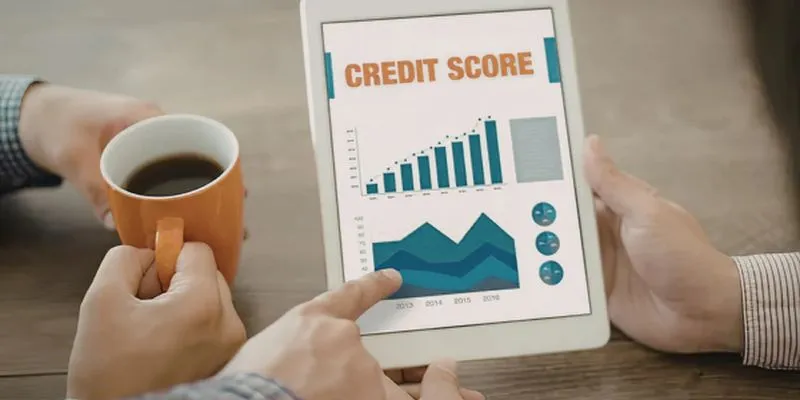
How Is Your Credit Score Determined? Tips to Improve It | Decs
Your credit score can influence your ability to qualify for a mortgage, obtain a credit card, finance a vehicle, or access loans with favorable interest rates. If your score is lower than you expected, understanding how it works is the first step toward improving your financial situation.
Many people assume that having a high income or paying off a single debt automatically leads to excellent credit. However, credit scoring models evaluate several aspects of your borrowing history, including payment behavior, credit utilization, account age, and recent applications.
The good news is that credit score improvement is possible with consistent financial habits, accurate credit reporting, and a clear repayment strategy. Whether you are building credit for the first time or recovering from past financial challenges, learning how your credit score is calculated can help you make informed decisions.
At Decs – We Kill Debt, we believe that understanding your financial position is an important part of working toward a healthier financial future. This guide explains the major factors that determine your credit score, practical ways to improve it, and what to consider when evaluating credit repair options.
1. What Is a Credit Score and Why Does It Matter?
A credit score is a numerical estimate of how likely you are to repay borrowed money based on information in your credit history. In the United States, many commonly used credit scoring models use a scale ranging from 300 to 850, although other scoring models may use different ranges.
Credit bureaus such as Equifax, Experian, and TransUnion collect information about your credit accounts and payment history. Credit scoring companies then apply mathematical formulas to information in your credit reports to calculate scores.
Lenders may use these scores when evaluating applications for credit cards, auto loans, personal loans, and mortgages. A stronger score may improve your chances of approval and help you qualify for more favorable interest rates.
Your credit score can also affect other financial opportunities, depending on the circumstances and applicable laws.
Why Your Credit Score Is Important
Understanding your credit score can help you:
Prepare for future loan or mortgage applications.
Identify credit report errors that could affect your borrowing profile.
Understand how outstanding balances influence your credit standing.
Develop better payment and budgeting habits.
Make informed decisions about credit products and financial services.
Remember that you do not have just one universal credit score. Different scoring models, credit bureaus, and reporting dates can produce different results. A score you see through a credit monitoring service may not be identical to the score a lender uses.
2. What Factors Determine Your Credit Score?
Credit scoring models evaluate several factors to estimate how you manage borrowed money. Although the precise formulas vary, the following categories are important in many widely used scoring systems.
Payment History
Payment history is one of the most influential factors in a FICO Score. It reflects whether you have paid credit cards, loans, and other reported credit obligations according to their terms.
Late payments, accounts in collections, and certain other negative events can damage your credit history. The impact depends on factors such as the severity, recency, and frequency of the information.
How to improve it: Make payments by their due dates, set up reminders or automatic payments when appropriate, and bring overdue accounts current when financially possible. If you cannot afford a payment, contact the creditor promptly to discuss available options.
Credit Utilization
Credit utilization measures how much of your available revolving credit you are using. It is particularly relevant to credit card accounts.
For example, suppose your credit card has a $2,000 limit and a $1,000 balance. Your utilization rate for that card is 50%.
To calculate utilization, divide your balance by your credit limit and multiply by 100.
Lower utilization is generally better for credit scores. Keeping utilization below 30% is a commonly recommended guideline, although lower percentages may be beneficial depending on the scoring model and your overall credit profile.
How to improve it: Pay down credit card balances where possible, avoid unnecessary purchases on credit, and monitor reported balances. You do not need to carry debt or pay interest to build a good credit score.
Length of Credit History
Credit scoring models may consider the age of your oldest account, the age of your newest account, and the average age of your accounts.
A longer history of responsible credit management can provide lenders with more information about your borrowing behavior.
How to improve it: Manage existing accounts responsibly and think carefully before closing older credit cards. Closing an account can affect your available credit and utilization, although the overall impact varies.
Credit Mix
Credit mix refers to the different types of credit accounts in your history. Examples include revolving credit cards and installment loans such as auto loans, student loans, or mortgages.
Having experience with different credit types may contribute positively to some scoring models, but it is not a requirement for excellent credit.
How to improve it: Focus on managing your current accounts responsibly rather than taking out new loans simply to diversify your credit mix.
New Credit Applications
Applying for several credit accounts within a short period may generate multiple hard inquiries. These inquiries can affect your score, and opening several accounts quickly may be viewed as a sign of increased borrowing risk.
How to improve it: Apply for credit when you genuinely need it. Before submitting an application, compare available offers and check whether you can prequalify without a hard inquiry.
3. Seven Practical Ways to Improve Your Credit Score
Credit score improvement generally requires consistent effort rather than a single quick fix. The following strategies can help you build stronger financial habits and work toward a healthier credit profile.
1. Review Your Credit Reports Regularly
Your credit report provides information about your accounts, balances, payment history, and certain negative items.
Review reports from Equifax, Experian, and TransUnion for inaccurate account information, unfamiliar debts, duplicate entries, incorrect payment statuses, or accounts that do not belong to you.
In the United States, you can access free credit reports through AnnualCreditReport.com. If you identify an error, dispute it with the relevant credit reporting company and, when appropriate, the company that supplied the information.
Accurate negative information cannot generally be removed simply because it is unfavorable. However, errors should be investigated and corrected when supported by the facts.
2. Make Every Payment on Time
Payment consistency is one of the strongest foundations for maintaining good credit.
Consider setting up payment reminders, calendar alerts, or automatic payments for at least the minimum amount due. Make sure sufficient funds are available before scheduled payments are processed.
If you have already missed payments, prioritize getting current where possible and maintaining a consistent payment routine moving forward.
A history of responsible payments can support long-term credit improvement, although the time needed to see a change varies.
3. Reduce Credit Card Balances
High credit card balances can increase your utilization ratio and negatively affect your score.
Start by reviewing each card's balance, interest rate, and credit limit. Create a repayment plan that fits your income and essential expenses.
You could prioritize high-interest debt to reduce interest costs or focus on smaller balances to build momentum. Whichever strategy you choose, maintain required payments across your accounts.
Reducing balances may help your credit score as lower balances are reported, but the amount and timing of any improvement cannot be guaranteed.
4. Avoid Unnecessary New Credit Accounts
Opening several new credit cards or applying for multiple loans can create hard inquiries and increase your overall financial obligations.
Before applying for another account, consider whether it supports a genuine financial need. Avoid using new credit to cover everyday expenses if doing so would make your existing debt harder to manage.
A thoughtful approach to borrowing can help protect your progress.
5. Keep Older Accounts in Perspective
Older accounts can contribute to the length of your credit history. Closing an account may also reduce your total available revolving credit, potentially increasing your utilization ratio.
However, keeping every account open is not always the right choice. Annual fees, fraud risks, overspending concerns, and account terms also matter.
Evaluate the advantages and disadvantages before closing an account, rather than assuming that opening or closing a credit card will automatically improve your score.
6. Develop a Realistic Debt Repayment Plan
Debt repayment and credit score improvement are related, but they are not identical goals.
A practical repayment plan should consider your income, necessary expenses, minimum payments, interest rates, and financial priorities. Track your balances each month so you can see whether your strategy is working.
If your debt payments have become difficult to manage, contact your creditors to ask about hardship programs or other available arrangements. Depending on your circumstances, a qualified nonprofit credit counselor may also help you evaluate your options.
Be aware that certain debt relief strategies can negatively affect credit, particularly when they involve missed payments or settled accounts. Understand the potential consequences before agreeing to a program.
7. Monitor Your Progress and Be Patient
Credit scores can change as lenders report updated account information. However, improvements are not always immediate.
Track your balances, payment consistency, report accuracy, and score trends over time. Compare scores from the same source and scoring model when possible to make your progress easier to interpret.
Avoid promises of instant results. Responsible credit management is a process, and the timeline depends on your starting position and the information in your credit history.
4. How to Find the Best Credit Repair Services
If your credit report contains errors or you are unsure how to approach credit challenges, you may be considering professional assistance.
The best credit repair services for your situation should provide transparent information, realistic expectations, and a clear explanation of the work they perform.
Before choosing a provider, evaluate the following factors.
Transparent Pricing and Written Agreements
Understand the total cost, the services included, any recurring fees, and the cancellation policy. Request a written agreement that clearly explains what the company will do.
Be cautious of providers that demand large upfront payments or pressure you into purchasing services before explaining the terms.
Clear and Realistic Expectations
No legitimate credit repair company can guarantee a specific score increase or promise to remove every negative item from your credit report.
Accurate and verifiable information generally cannot be removed merely because it lowers your score. A reputable provider should explain the difference between disputing inaccurate information and attempting to remove legitimate account history.
A Focus on Your Actual Credit Report
Look for a provider that explains how it reviews credit reports, identifies potential inaccuracies, and helps you understand your available options.
You should be able to understand the proposed process and make informed decisions without relying on vague promises or confusing financial terminology.
Compliance With Consumer Protection Laws
In the United States, credit repair companies are subject to applicable federal and state laws, including requirements under the Credit Repair Organizations Act. These laws address issues such as misleading claims, contracts, cancellation rights, and advance payments.
Review the provider's terms and verify its reputation before signing an agreement. You can also investigate complaints and consumer guidance through relevant government resources.
An Emphasis on Long-Term Financial Habits
Disputing inaccurate information may be useful, but lasting credit improvement also depends on responsible borrowing, manageable balances, and consistent payments.
Consider whether a provider helps you understand these habits instead of focusing exclusively on short-term score changes.
5. Can You Improve Your Credit Score Without Professional Help?
Yes. Many consumers can take meaningful steps toward credit score improvement on their own.
You can obtain your credit reports, identify potential errors, submit disputes, reduce revolving balances, and establish a consistent payment routine without hiring a credit repair company.
You can also use reputable educational resources to understand credit scoring and consumer rights.
Professional support may be worth considering if you have complicated reporting errors, numerous accounts to review, or difficulty understanding the dispute process. However, paying for a service is not necessary for everyone.
Before spending money, identify the specific problem you want to solve. If the issue is high credit card utilization, for example, a repayment strategy may be more useful than a service focused on credit report disputes.
If the issue is an inaccurate collection account, gathering supporting documentation and following the appropriate dispute procedure may be a sensible starting point.
The best option is the one that addresses your actual circumstances, fits your budget, and avoids unnecessary financial risk.
6. Common Credit Score Myths You Should Avoid
Misinformation can lead people to make costly decisions. Here are several common credit myths worth understanding.
Myth 1: Checking your own credit score lowers it.
Checking your own score generally involves a soft inquiry, which does not affect your credit score. Hard inquiries associated with certain credit applications can have an impact.
Myth 2: Carrying a credit card balance improves your score.
You do not need to carry a balance or pay interest to build good credit. Paying your balance in full when possible can help control interest costs and keep utilization low.
Myth 3: Every negative item can be removed by a credit repair company.
Accurate negative information cannot generally be removed just because you hire a company. Disputes are appropriate when information is inaccurate, incomplete, or otherwise subject to correction under applicable law.
Myth 4: A higher income automatically means a higher credit score.
Income is not generally a direct factor in conventional credit scoring models. Credit history, account balances, payment behavior, and other report information are more directly relevant.
Myth 5: Credit improvement happens overnight.
Some changes, such as lower reported card balances, may affect scores relatively quickly. Rebuilding a history of missed payments or establishing a longer credit record can take considerably more time.
Understanding these facts can help you avoid scams and focus on actions that support your financial goals.
7. Build a Stronger Financial Future With Decs – We Kill Debt
Understanding how your credit score works can help you take control of your next financial decisions. By reviewing your credit reports, maintaining on-time payments, reducing high balances, and avoiding unnecessary borrowing, you can work toward a healthier credit profile.
If your credit history contains errors or your debt feels difficult to manage, start by identifying the underlying issue. A clear plan can help you determine whether you need to dispute inaccurate information, change your repayment strategy, or seek qualified professional guidance.
At Decs – We Kill Debt, our goal is to encourage informed financial decisions and a practical approach to overcoming debt challenges. Focus on the steps you can take today, monitor your progress, and make decisions that support both your credit health and your overall financial well-being.
Ready to take the next step? Explore your available options, understand the terms before committing to a service, and build a plan that fits your financial circumstances.
Frequently Asked Questions About Credit Score Improvement
1. How is a credit score determined?
A credit score is calculated using information in your credit report and a scoring model. Common factors include payment history, credit utilization, length of credit history, credit mix, and recent credit activity. Different models may weigh these factors differently.
2. What is the fastest way to improve your credit score?
There is no guaranteed method for a rapid increase. Depending on your credit profile, paying down high credit card balances, correcting inaccurate report information, and bringing overdue accounts current may help. Results and timing vary.
3. How long does credit score improvement take?
The timeline depends on the reason for a low score and the information in your credit report. Some changes may appear after updated information is reported, while rebuilding a longer history of responsible payments can take months or longer.
4. Are the best credit repair services worth the cost?
They may be useful for consumers who need help understanding credit report errors or navigating a complicated dispute process. However, many report reviews and disputes can be handled independently for free. Compare fees, services, contract terms, and realistic expectations before making a decision.
5. Can accurate negative information be removed from a credit report?
Generally, accurate negative information cannot be removed simply because it is unfavorable. Reporting periods and exceptions depend on the type of information and applicable law. Inaccurate or incomplete information can be disputed.
6. Does paying off debt automatically increase your credit score?
Not always. Paying down revolving credit card balances may reduce utilization and help your score. Paying off an installment loan can have different effects depending on the scoring model and your overall credit history. Debt repayment can still be beneficial for your financial health even if your score does not immediately increase.
7. Where can I check my credit report for free?
Consumers in the United States can obtain free credit reports through AnnualCreditReport.com. Reviewing reports from Equifax, Experian, and TransUnion can help you identify inaccurate information and better understand your credit history.
Conclusion
Your credit score reflects several aspects of your borrowing history, and understanding these factors is the foundation of effective credit score improvement. Consistent payments, lower credit utilization, careful credit applications, and regular credit report reviews can help you build stronger credit habits over time.
When considering the best credit repair services, prioritize transparency, lawful practices, and realistic expectations. Avoid companies that promise guaranteed results or claim they can erase accurate negative information.
With a clear strategy and informed decisions, you can work toward better credit health and a more manageable financial future.
Decs – We Kill Debt encourages you to take the first step by understanding your credit, evaluating your debt, and choosing a practical path forward.


