
What Is a Prepaid Debit Card? Fees, Benefits & Credit Score | Decs
Managing money wisely is an important part of building a stable financial future. Whether you are trying to control everyday spending, avoid unnecessary debt, or work toward Credit score improvement, choosing the right payment method can make a difference. One option worth understanding is a prepaid debit card.
A prepaid debit card allows you to spend money you load onto the card in advance. Unlike a traditional credit card, it does not typically let you borrow money to make purchases. This can make it a useful budgeting tool for people who want to manage their spending more carefully.
However, prepaid debit cards are not the right solution for every financial situation. They may charge fees, offer different levels of protection, and generally do not help you establish or improve your credit history.
At Decs – We Kill Debt, we believe that financial education helps people make more informed decisions about money and debt. In this guide, you will learn what a prepaid debit card is, how it works, its advantages and disadvantages, and how it relates to your Credit Score and the best credit repair strategies.
1. What Is a Prepaid Debit Card?
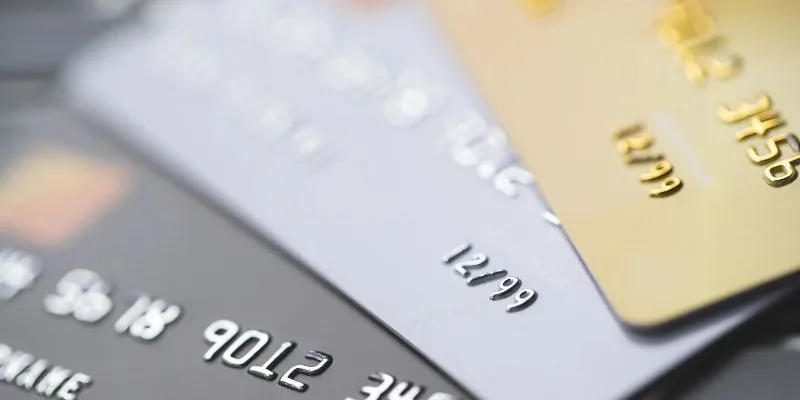
A prepaid debit card is a payment card that you fund before using it. You add money to the card, then use the available balance to pay for purchases, shop online, or make other permitted transactions.
For example, if you load $200 onto a prepaid card, you generally have $200 available to spend. As you make purchases, the balance decreases. Once the available funds are exhausted, you typically need to add more money before making additional purchases.
Prepaid debit cards may be available through financial institutions, payment providers, retailers, and other authorized issuers. Some cards can be reloaded repeatedly, while others are designed for limited or specific uses.
How Does a Prepaid Debit Card Work?
Using a prepaid debit card is generally straightforward:
Choose a card: Compare available cards and review their fees, features, and terms.
Add money: Load funds using an available method, such as a bank transfer, cash reload, or eligible direct deposit.
Make purchases: Use the card wherever its payment network or card terms are accepted.
Check your balance: Monitor your remaining funds through the provider's app, website, or other available service.
Reload when needed: Add more money if the card supports reloading and you want to continue using it.
The important difference is that you generally spend money you already have instead of borrowing from a lender.
2. Prepaid Debit Card vs. Debit Card vs. Credit Card
Although these cards may look similar, they work differently. Understanding those differences can help you select a payment method that matches your financial goals.
Prepaid Debit Cards
A prepaid debit card uses money loaded onto a prepaid account. It can help you set a spending limit because your available balance generally determines how much you can spend.
However, certain fees and transaction rules may apply. Some prepaid accounts also have features that differ from standard prepaid products, so always read the cardholder agreement.
Traditional Debit Cards
A traditional debit card is usually connected to a checking account. Purchases are deducted from the funds available in that account.
Depending on your bank's policies and account settings, certain transactions may be declined or could result in overdraft fees.
Credit Cards
A credit card allows you to borrow money from a lender up to an approved credit limit. You repay the amount you borrow according to the account terms, and interest may apply if you carry a balance.
Responsible credit card use can help build credit history when the issuer reports account activity to the credit bureaus. Late payments and high balances, however, can negatively affect your Credit Score.
The main difference: Prepaid cards and traditional debit cards generally use your own money, while credit cards involve borrowing. That distinction matters when choosing between spending control and building credit.
3. Benefits of Using a Prepaid Debit Card
A prepaid debit card can be useful for people who want a simple way to manage spending without relying on a credit line.
Helps Control Everyday Spending
Because you load money before making purchases, you can set aside a specific amount for groceries, transportation, entertainment, or other expenses.
For example, you could load $250 for discretionary spending each month. Tracking purchases against that amount may help you avoid spending money intended for bills or savings.
A prepaid card does not automatically create good financial habits, but it can make a spending limit easier to follow.
Helps Avoid New Credit Card Debt
Prepaid cards generally do not allow you to borrow against a revolving credit limit. This can be useful if you are trying to avoid accumulating additional credit card debt.
For someone working through a tight budget, using a prepaid card for selected purchases may help separate spending money from funds reserved for essential expenses.
Remember, however, that prepaid cards do not eliminate existing debts or replace a repayment plan.
May Be Available Without a Credit Check
Traditional credit cards usually involve an application and a review of creditworthiness. Prepaid debit cards generally do not require a credit score to qualify because they are not conventional lending products.
Eligibility, identification requirements, and registration procedures vary by provider and card type.
Supports Budgeting and Financial Organization
You may choose to use a prepaid card for a particular spending category instead of using one account for everything.
For instance, keeping a set amount for weekly household purchases can make it easier to review spending and identify where adjustments are needed.
This approach may support better money management, especially when combined with a written budget and regular account reviews.
4. What Are the Disadvantages of Prepaid Debit Cards?
Before choosing a prepaid debit card, understand the potential drawbacks. A card that looks convenient may become expensive if you use it frequently or overlook its terms.
Fees Can Reduce Your Available Balance
Depending on the provider, prepaid cards may charge activation, monthly maintenance, ATM withdrawal, cash reload, transaction, replacement, or inactivity fees. Not every card charges every fee, and the amounts vary.
The Consumer Financial Protection Bureau recommends reviewing prepaid card fees and comparing products before choosing one. <Cite refs={["turn204795search2","turn204795search3"]}/>
For example, a card with a monthly fee may cost more than expected if you keep a small balance. Another card may charge for cash reloads or out-of-network ATM withdrawals.
Review the full fee schedule and consider how you will actually use the card.
It Usually Does Not Build Credit
One of the biggest limitations is that ordinary prepaid debit card activity generally is not reported as credit repayment history.
That means using a prepaid card regularly and maintaining a positive balance typically will not increase your Credit Score.
If your goal is to establish credit or rebuild your credit profile, you may need a different strategy, such as responsibly managing a credit card that reports to the major credit bureaus or exploring an eligible credit-building product.
Protections Can Vary
Prepaid cards may have protections for unauthorized transactions, lost cards, and account errors, but coverage depends on the card, registration status, and applicable law.
Registering an eligible card can be important for accessing certain protections. Check the provider's terms, learn how to report suspicious transactions, and contact the issuer promptly if your card is lost or stolen.
Do not assume that every prepaid card provides identical protections.
5. Can a Prepaid Debit Card Help With Credit Score Improvement?
A prepaid debit card can support budgeting, but it generally does not directly contribute to Credit score improvement.
Credit scores are calculated using information in credit reports, such as payment history, credit utilization, and other account information. Ordinary prepaid card purchases usually do not create the credit account and repayment history used by common credit scoring models.
However, a prepaid card may indirectly support your financial goals if it helps you manage your spending and avoid relying on additional credit card borrowing.
Use a Budget to Reduce Overspending
Start by identifying your income, essential expenses, debt payments, and discretionary spending.
You might use a prepaid card for a specific category, such as dining or personal purchases, while keeping enough money available for rent, utilities, and required debt payments.
A budget can help you recognize spending patterns and make better decisions about where your money goes.
Keep Existing Credit Accounts Current
If you have credit cards or loans, payment history remains an important consideration for many credit scoring models.
When possible, make required payments by their due dates. If you are struggling financially, contact your creditors to ask about available hardship options before ignoring payment obligations.
A prepaid card cannot replace these payments or repair the effects of missed payments on existing accounts.
Monitor Your Credit Reports
Review your credit reports periodically for inaccurate account details, unfamiliar activity, and reporting errors.
In the United States, consumers can access free credit reports through AnnualCreditReport.com. If you identify incorrect information, you can dispute it with the relevant credit reporting company and, where appropriate, the company that provided the information.
Correcting legitimate errors may help your credit profile, although accurate negative information generally cannot be removed simply because it lowers your score.
Consider Credit-Building Alternatives
If building credit is your primary goal, consider products designed to report payment activity to the credit bureaus. Depending on your circumstances, options may include a secured credit card or a credit-builder loan.
Before opening an account, review its fees, interest rate, deposit requirements, repayment terms, and credit reporting practices.
The best option is one you can manage responsibly without putting essential expenses or financial stability at risk.
6. How to Choose the Right Prepaid Debit Card
Not all prepaid debit cards have the same fees, services, or features. Compare several options before making a decision.
Compare the Complete Fee Schedule
Check for monthly fees, activation charges, reload costs, ATM fees, transaction charges, and replacement fees. Calculate the likely cost based on how frequently you plan to use the card.
A card with no monthly fee may still be expensive if it charges for frequent transactions. Another card with a monthly fee may be more economical for a different usage pattern.
Check Reloading Options
Determine how you can add money to the card. Depending on the provider, options may include direct deposit, bank transfers, or cash reloads at participating locations.
Choose a method that is convenient and affordable for your situation.
Review Account Management Features
Look for practical features such as mobile balance checks, transaction alerts, purchase history, and accessible customer support.
These tools can make it easier to track spending and identify transactions you do not recognize.
Understand the Card's Protections
Review the cardholder agreement to understand how the provider handles lost cards, unauthorized transactions, errors, and account closures.
Make sure you know how to contact the provider and report a problem quickly.
For more guidance, consult the CFPB's official prepaid card resources at https://www.consumerfinance.gov/consumer-tools/prepaid-cards/.
7. Are the Best Credit Repair Services a Better Choice?
If you are trying to rebuild your credit, you may wonder whether prepaid debit cards or the best credit repair services are a better solution.
These options serve different purposes. A prepaid card is a spending tool. Credit repair services generally focus on reviewing credit reports, identifying potential inaccuracies, and assisting consumers with the dispute process.
A credit repair company does not automatically increase your score, eliminate debt, or remove accurate negative information from your credit reports.
When Credit Repair Assistance May Be Useful
Professional help may be worth considering if you have complicated credit reporting concerns, multiple errors to investigate, or difficulty understanding how to dispute inaccurate information.
Before choosing a provider, check its pricing, contract, cancellation terms, services, and claims. Be cautious of guaranteed score increases or promises to remove all negative information.
In the United States, consumers can generally review their own credit reports and dispute inaccurate information without paying a credit repair company.
Focus on Your Actual Financial Goal
If your primary goal is controlling spending, a prepaid card may be useful.
If you want to build credit, consider responsible use of an appropriate credit-building product.
If your credit reports contain errors, investigate the dispute process. If you are struggling with debt, explore repayment arrangements, reputable nonprofit credit counseling, or other options that fit your circumstances.
At Decs – We Kill Debt, we encourage consumers to understand the purpose and limitations of each financial tool before spending money on a product or service.
Conclusion:
A prepaid debit card can be a practical way to manage everyday purchases, establish spending limits, and avoid borrowing for routine expenses. However, fees and account protections vary, and ordinary prepaid debit card activity generally does not build credit history.
If your goal is Credit score improvement, focus on the factors that influence your credit profile: making required payments on time, managing revolving balances, reviewing credit reports, and addressing genuine reporting errors.
The best credit repair approach depends on your specific financial situation. A prepaid card may help you control spending, while a credit-building product or appropriate credit report assistance may better address other goals.
At Decs – We Kill Debt, our goal is to encourage informed financial decisions and sustainable progress toward better money management. Understand your options, compare costs carefully, and choose the tools that fit your needs and long-term financial plans.


